Evaluating the Femur Silhouette SVG for Real Embroidery Projects
As a designer who regularly moves from digital files to embroidered products, I’ve learned that a great graphic doesn’t always translate into a great stitched piece. Today, I’m looking at the Femur Thigh Bone Silhouette SVG, Human, from the perspective of someone who needs to use it—on client apparel, for my small shop merchandise, or in personalized gifts. Let’s walk through what this design offers beyond the screen.
The Immediate Impression: A Clean, Bold Statement
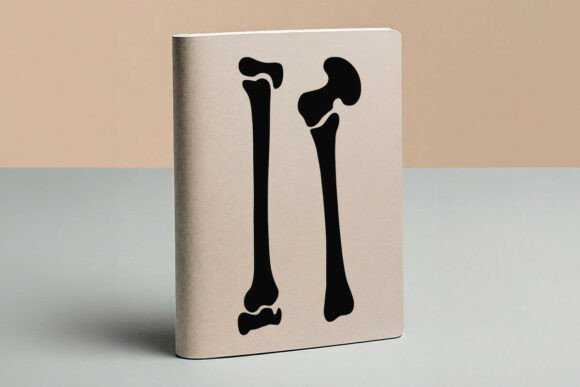
The first thing that strikes me about this femur silhouette is its clarity. It’s a strong, recognizable anatomical shape with a clean outline. This isn’t a detailed, medical illustration; it’s a graphic statement. The mood is modern, slightly edgy, and intellectual. It feels like it belongs to someone who appreciates science, medicine, or a minimalist aesthetic. Visually, it’s a personality piece. For embroidery, this is a benefit: the lack of overly intricate internal detail means it won’t become a muddled mess of stitches. It naturally calls for projects where the design is the focal point—a central emblem on a sweatshirt, a striking patch on a backpack, or a singular graphic on a tote bag.
Where This Design Shines in Embroidery
Thinking about real-life applications, this femur graphic has a versatile strength. For custom apparel, like a black crewneck sweatshirt, a single white or grey satin stitch outline of the bone could look incredibly sharp. It carries a certain confidence. For handmade shop owners, this could become a signature item for a niche audience—think boutique products for nurses, medical students, or fans of natural history. Embroidered on a high-quality canvas tote, it elevates a simple bag into a statement accessory.
I also see potential in personalized gifts with a twist. A kitchen towel or apron with this design could be a fantastic, humorous gift for a doctor or surgeon friend—a departure from typical cute motifs. As an embroidery file, it’s well-suited for patches; its bold shape would hold up even when reduced in size for a cap or hat. For crafters building a digital product line, this silhouette is perfect for printable mockups showcasing embroidered products, as its clear shape is instantly recognizable in previews.
Navigating the Practicalities of Stitching This Bone
In practical embroidery situations, the simplicity of the silhouette is a major advantage. You won’t be battling dense fill stitch areas that can pucker lightweight fabrics. However, this doesn’ mean you can skip the fundamentals. On textured fabrics like some sweaters, you’ll need a good stabilizer to keep that clean outline crisp. On dark fabric backgrounds, thread color contrast is critical—a bone-white thread on black is powerful, but a slightly off-white might look dull. Always test on scrap fabric first.
For small hoop sizes, like on a baby item or the curved surface of a cap, you’ll need to check how the design scales down. The long, thin parts of the femur could become challenging if the stitch width gets too narrow; it might require adjusting stitch density to maintain integrity. This design likely wouldn’t suffer from tiny lettering issues, as it appears to be a pure silhouette, but always inspect the digital file for any minute details that could vanish in stitching.
Considerations for Product Value and Customer Trust
When you move from a digital graphic to a finished product, the embroidery quality defines the value. A well-executed femur silhouette on a premium sweatshirt feels professional and intentional—it builds customer trust. For an Etsy seller or creative entrepreneur, this design can help establish a consistent brand if your shop leans toward scientific, academic, or alternative themes. Its giftability is specific but high; it’s not a generic present, which can be a strength for buyer engagement.
However, use it carefully on products that need frequent washing, like baby clothes or kitchen linens. A design with long, single-line sections might be more susceptible to wear if the stitching isn’t robust. For commercial embroidery projects, ensure the licensing clearly allows for use on physical goods you sell. The product description mentions a bundle file, so it’s prudent to confirm the terms before launching a line of embroidered merchandise.
Embroidery Designer Notes for a Successful Project
- Run a test on both light and dark fabric scraps to choose your thread colors. Don’t assume white-on-black is the only option; a dark charcoal on heather grey could be subtle and sophisticated.
- Check the stitch density in your embroidery software when scaling. Ensure the outline won’t become too sparse or too bulky.
- For apparel like t-shirts or stretchy fabric, use the appropriate stabilizer to prevent distortion of that long, straight bone shape.
- Consider combining it with other elements for a more complex project? A simple text line beneath it, like a name or date, could personalize it for a wedding gift for a medical professional.
- Remember, this is a graphics product. Its strength is its clean vector form, which gives you flexibility. Use that to your advantage in your craft business by placing it on products that match its bold, graphic personality.
The Final Stitch: A Design with Clear Purpose
The Femur Thigh Bone Silhouette SVG, Human, is a design asset with a distinct point of view. In the world of crafts and embroidery, it won’t be for every project or every customer. But for the right project—a custom embroidered tote for a biology teacher, a bold patch on a denim jacket, or a minimalist pillow cover in a modern home—it performs beautifully. Its success depends entirely on your execution: proper stabilizer, thoughtful thread choice, and selecting a product base that complements its aesthetic. Approach it not as a generic clipart, but as a design with inherent character, and your finished embroidered product will carry that same confident, clean statement.