Evaluating a Medical Embroidery Design for Real Projects
When you download an embroidery design, especially one with a specific theme like this Ear Pain Headache Health Vector, your first task isn't just to admire it on screen. It's to envision it on fabric—how the threads will lay, what the mood will be when stitched, and whether it will resonate with the person who ultimately receives it. As someone who stitches for clients and my own small shop, I approach every file with this practical lens.
First Impressions: A Surprisingly Calm Take on a Tough Subject
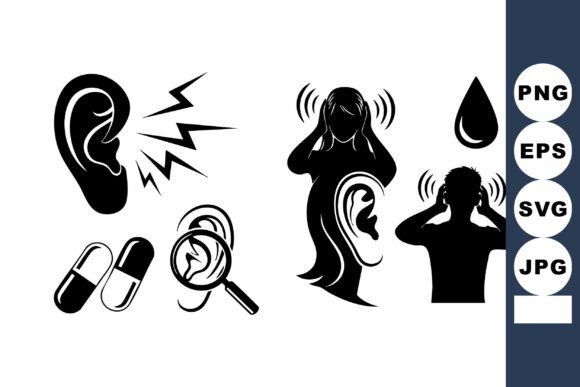
The title Ear Pain Headache Health Vector suggests a clinical, perhaps even stark, medical graphic. But the description hints at a “calm” concept, and that’s the first thing I notice. The composition isn’t alarming; it’s explanatory. It uses symbolic elements—an ear, pain signals, a magnifying glass, people holding their heads—to communicate the experience of ear issues and tinnitus in a way that feels more illustrative than confrontational. For an embroidery project, this is crucial. The mood it creates is one of awareness and understanding, not distress. This makes it suitable for projects aimed at support, education, or even gentle humor for someone dealing with the condition.
The layout, being a vector graphic, promises clean lines and distinct shapes, which is excellent news for machine embroidery. Too much fine detail can get lost in translation from screen to stitch, but a well-built vector usually translates into clear, definable areas for satin and fill stitches.
Where This Design Finds Its Perfect Stitched Home
So, where does this design belong? I’m immediately thinking of projects for a specific, empathetic audience. Let’s say a client requests a custom embroidered tote bag for a friend who is an audiologist, or perhaps for a support group member. This design would be a thoughtful, personalized gift. It’s not a generic “get well soon” motif; it’s specifically tuned.
- Apparel for Advocacy or Awareness: Embroidered on the chest of a sweatshirt or the back of a cap, it could serve as a subtle statement piece for someone involved in hearing health.
- Practical Items with Purpose: Stitched onto a kitchen towel or apron for a healthcare worker, or a pillow cover for a clinic’s waiting room, it blends functionality with the theme.
- Boutique Merchandise for a Niche: If your craft business or Etsy shop caters to medical professionals, therapists, or even comedy items about common ailments, this becomes a unique digital product to offer as a finished embroidered patch or on a tea towel.
The key is its specificity. In a market flooded with generic florals and quotes, this Ear Pain Headache Health Vector stands out by serving a clear, underserved niche.
Navigating the Practical Stitching Challenges
Now, for the real-world embroidery judgment. This design combines several elements: figurative people, an ear, pills, and a magnifying glass. The potential challenges aren’t in the theme, but in execution.
Where you need to be careful:
- Small Hoop Sizes: If the design is densely packed, trying to squeeze it into a very small hoop could merge the distinct elements. The people holding their heads and the magnifying glass details need space to remain clear.
- Textured or Stretch Fabrics: Stitching on a loose knit sweater or a textured canvas bag? The finer lines, especially the “pain signals” (likely wavy or dashed lines), might not stitch with perfect clarity without the right stabilizer.
- Dark Fabric Backgrounds: This is a universal consideration. The design’s impact depends on contrast. On a dark fabric, you’ll need to choose thread colors that pop, possibly using lighter shades for the ear and figures to keep them from disappearing into the background.
- Curved Surfaces: Embroidering this on a cap’s curved panel? The central, circular element (likely the ear or magnifying glass) could distort if the file isn’ properly adapted for cap hooping. Always test on a scrap of similar fabric first.
The “tiny lettering” mentioned in the description is a red flag for embroidery. If the vector includes miniature text labels, those may need to be simplified or removed before stitching, as small, thin letters often stitch poorly, filling in and becoming unreadable.
The Impact on Your Product and Your Customer
Using a design like this affects more than just the stitch quality; it affects perception. When a customer sees this on a finished product, it communicates that you—the designer or maker—understand a nuanced need. That builds trust. For a handmade presentation, it shows thoughtfulness beyond decoration.
For giftability, it’s excellent. A custom embroidered pillow for someone coping with tinnitus feels personal and supportive. For brand consistency, if your small shop focuses on medical humor or healthcare worker gifts, this design aligns perfectly and adds to your professional curation. It engages a buyer looking for something very specific, which often leads to a more meaningful connection than a generic purchase.
Essential Designer Notes Before You Hit Stitch
Before you run this Ear Pain Headache Health Vector on any project, especially for commercial use or selling finished items, do this:
- Test on Scrap Fabric: Use the same material you intend for the final product. Check how the stitch density feels—is it too thick for a lightweight t-shirt? Do the small details crisp up?
- Play with Color Contrast: Stitch a sample on both light and dark fabric scraps. See which thread color combinations make the magnifying glass and figures stand out best.
- Inspect the Smallest Details: Zoom in on the file in your software. Are the people’s features, the pill shapes, and the ear interior clear and separate? If they’re too fine, you might need to adjust.
- Confirm the Practical Specs: The description mentions a downloadable ZIP. You must open it and check the actual file formats, any included instructions, and crucially, the licensing terms. Never assume a design is for commercial use; verify it before selling any embroidered product, patch, or even a printable mockup using this design asset.
- Consider the Final Use: If the item will be frequently washed—like a baby’s item (though this theme isn’t likely for baby clothes) or a kitchen towel—ensure your stitch density and stabilizer choice can handle it.
Embroidery transforms a digital graphic into a tactile experience. The Ear Pain Headache Health Vector, with its calm, illustrative approach to a health concept, offers a unique opportunity to create something with genuine resonance. By stitching it thoughtfully, on the right product, with attention to the practical details, you can turn a craft graphics file into a valued handmade product that speaks directly to someone’s experience.