Nurse Loves Mardi Grass: A Designer's Take
Whenever a new design lands in my library, my first instinct is to imagine it stitched out. Not just as a file on a screen, but as thread on fabric. Today, I’m looking at the Nurse Loves Mardi Grass SVG Design, considering its potential from the viewpoint of someone who needs a design to perform in real projects for clients, gifts, or shop inventory.
The Immediate Mood and Visual Personality
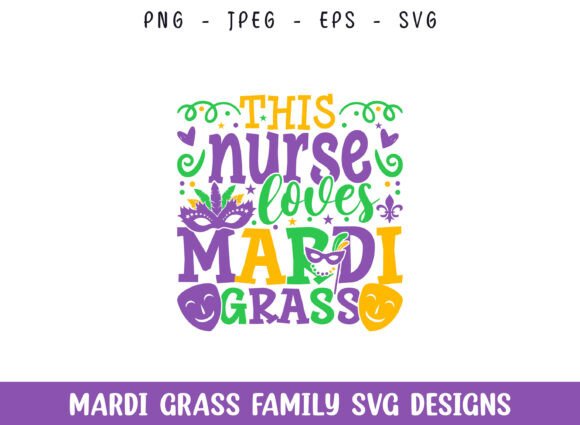
This design immediately strikes a playful, celebratory tone. The typography is the heart of it—"Nurse Loves Mardi Grass" isn't just text; it's a statement with personality. The theme cleverly bridges a professional identity with the festive spirit of Mardi Gras, creating a niche but powerful appeal. For embroidery, this means the design isn't a generic graphic; it carries a mood. It feels like it belongs on something worn or used for celebration, a personal badge of honor or a fun gift.
The description notes it's made with vector shapes, which, from a practical standpoint, suggests clean, scalable outlines—crucial for translating digital graphics into clean embroidery paths. The promise of easy color change for dark or light backgrounds is a significant practical advantage. I can already envision flipping the palette to classic Mardi Gras purples, greens, and golds for a white sweatshirt, or opting for a high-contrast, brighter set for a black tote bag.
Where This Design Finds Its Best Home
My mind goes straight to specific applications. This isn't a design I'd use for a delicate lace handkerchief; its personality calls for a canvas that matches its boldness. Think custom apparel: a well-loved nurse’s comfy sweatshirt, a casual t-shirt for a parade day. It would shine as a personalized gift—embroidered onto a durable apron for someone who loves to host a Cajun-themed party, or stitched onto a tea towel as a kitchen decor piece.
For small business owners and Etsy sellers, this design could anchor a product line. A beautifully embroidered tote bag with this phrase becomes a unique boutique product. As an embroidered patch, it offers versatility—it could be applied to a cap, a backpack, or a pillow cover in a college dorm. The holiday connection makes it a candidate for seasonal craft fair products, especially in regions where Mardi Gras is a big celebration.
A Real-Life Scenario: The Embroidered Celebration Hoodie
Imagine a client request: a custom hoodie for a nurse who's also a Mardi Gras enthusiast. The Nurse Loves Mardi Grass SVG Design is the perfect centerpiece. I'd consider stitch types: satin stitch for bold lettering to make it pop, fill stitches for any larger decorative elements if present. The vector-based detail should allow for clean stitching of the typography, which is key for readability and customer trust in a handmade product. On a mid-weight hoodie fabric, with the right stabilizer, this design could become a high-value, personal item they'll wear proudly.
Considerations for Successful Stitching
While the design’s appeal is clear, practical embroidery judgment requires thinking about the hurdles. The mention of "easy change color" is vital for thread color contrast. On a dark t-shirt, you’d need light, vibrant threads; on a white mug (if used for print), the color palette would shift. For actual embroidery, if the design has very small decorative accents or tiny lettering details, stitch density and hoop size become critical.
I would be cautious on:
- Very small hoop sizes: If the design is large or detailed, compressing it into a tiny area might lose clarity.
- Highly textured or stretchy fabrics: Without proper stabilization, the clean typography could distort.
- Curved surfaces like caps: The layout needs to be checked to ensure it fits the curved panel without awkward cropping.
- Products needing frequent washing: A densely stitched design on a thin fabric might wear differently; testing on scrap fabric first is always my rule.
Impact on Product Value and Professionalism
Using a well-executed design like this elevates a project. For a craft business, it contributes to brand consistency if you offer a line of niche, witty designs. Its recognizability and specific theme enhance giftability—it feels thoughtful. For an apparel decorator, it adds a unique option to their catalog, potentially increasing buyer engagement from a specific audience.
The fact it's described as a vector graphic suggests it should scale well for different product sizes, from a baby bib (as a cute, larger-scale nursery decor item) to a adult-sized apron. This scalability is a professional asset for digital embroidery files, allowing for use in commercial embroidery projects or creating consistent printable mockups for your online shop.
Essential Designer Notes Before You Stitch
Before I commit this design to a final project, my checklist would include:
- Always test the design on scrap fabric first, mimicking the final fabric weight and color.
- Review the detail level in your embroidery software; check for any overly intricate corners that might need slight adjustment.
- Test color palettes in black and white mockups to ensure contrast works for both light and dark background products.
- Confirm the appropriate hoop size and stabilizer type for your target fabric.
- Most importantly, check the licensing provided with the design file. Clarify whether it's suitable for personal projects, commercial use, or selling finished items. This is non-negotiable for small shop owners and digital product sellers.
Final Impressions for the Maker
The Nurse Loves Mardi Grass SVG Design presents a strong, mood-specific option for makers. It’s not a universal design, but its targeted appeal is its strength. It feels ready for projects that celebrate a fusion of profession and festivity. For embroidery, its success will hinge on that practical translation from vector screen to stitched fabric—paying attention to scale, contrast, and substrate. When done right, it can produce a finished product with clear visual appeal, a sense of fun, and a very personal touch that customers or gift recipients will genuinely appreciate. It’s a design that reminds you to consider not just the stitches, but the story the finished piece will tell.