Nurse in My Era: A Designer's Hands-On Review
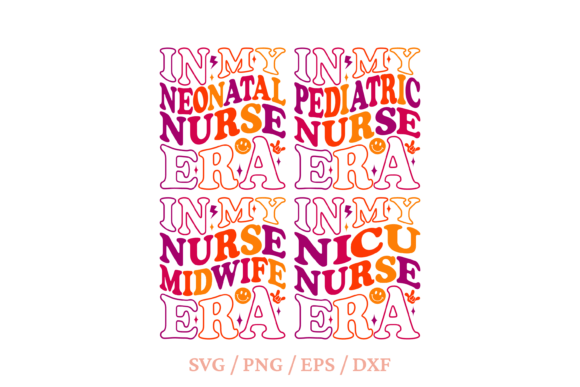
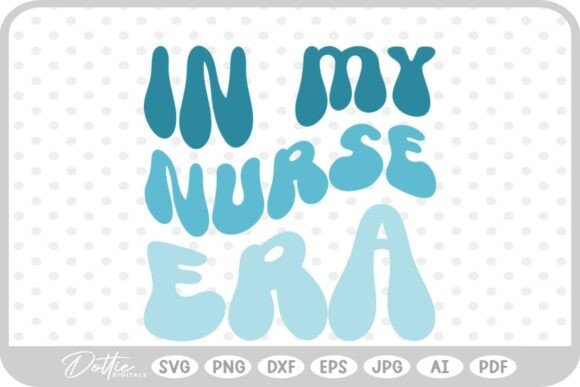
Let's talk about how a design like this feels when you’re about to load it into your machine, needle poised. I’m looking at the Nurse in My Era design not just as a graphic, but as the blueprint for something real—an embroidered sweatshirt, a tote bag for a graduate, a heartfelt patch. The first impression is a clear, modern nod to a timeless profession. The layout suggests a balanced, statement piece rather than a tiny accent. It feels celebratory and personal, built for someone who wants to wear their pride or gift it with meaning.
The Mood It Stitches Into a Project
This design creates a mood of recognition and identity. It’s not overly clinical or generic; the “My Era” element personalizes it, making it feel contemporary and connected to the individual. Visually, it belongs on items meant to be seen and appreciated—think a custom embroidered hoodie for a nurse finishing a tough rotation, or a decorative pillow cover for a home office. The detail level appears manageable for embroidery; shapes look defined without overly intricate corners that could become tricky under satin stitches.
Real-Life Embroidery Scenarios: Where It Shines
I’m picturing this on a mid-weight cotton sweatshirt. The bold elements would translate well with a clean satin stitch border and a solid fill stitch for the main shapes, creating a professional, gift-ready look. On a canvas tote bag, it would become a durable, everyday statement piece—perfect for a nurse commuting to work. For a baby item, like a soft jersey blanket for a new mom in the profession, simplifying the thread palette to softer colors could make it wonderfully personal.
As an embroidered patch, it would hold its own, suitable for a jacket or cap. For small business merchandise—say, in a boutique selling personalized gifts—this design elevates a simple tea towel or apron into a specialized, thoughtful product. In commercial embroidery, for a hospital’s gift shop or an online store catering to medical professionals, it offers a ready-made, high-value asset that resonates with a specific community.
Navigating Tricky Surfaces and Fabrics
Where you need to be careful is on very small hoop sizes. If you try to shrink the design drastically for a tiny baby garment detail, some of the lettering and finer elements might lose clarity. Textured fabrics like heavy linen could challenge the smoothness of fill stitches, requiring careful stabilizer choice. On dark fabrics, a strategic underlay and thoughtful thread color contrast will be crucial to keep the design popping without shadowing.
Stretchy fabrics, like for a cap or a t-shirt, demand a stable hoop and the right stabilizer to prevent puckering around the denser stitch areas. And for products destined for frequent washing—a nurse’s daily-wear scrub cap, for instance—testing the stitch density and thread type on a scrap piece first is non-negotiable to ensure longevity.
The Impact on Your Work and Your Customer
Using a design like Nurse in My Era well directly affects visual appeal and perceived value. A clean, crisp embroidery outcome builds instant customer trust in your handmade presentation. It looks intentional and professional, which strengthens brand consistency for a small shop. As a gift, it has high “giftability”—it’s recognizable and meaningful, which increases buyer engagement in an Etsy listing or at a craft fair.
For digital product sellers offering finished items, this design can be a strong anchor for a niche product line. Its clarity in printable mockups or digital previews helps potential buyers visualize the final embroidered product accurately, which is key for online sales.
Practical Notes From the Hoop Side
Before you commit to a final project, here’s my standard practice advice. Always test the embroidery file on a scrap of your intended fabric first. This reveals how the stitch density behaves and whether small details like the lettering corners stitch out cleanly. Check your thread color contrast against both light and dark background mockups—sometimes a digital preview looks different than real thread on fabric.
Confirm your hoop size can accommodate the design at the scale you want without forcing excessive detail compression. Use the proper stabilizer for your fabric type; this is especially critical for maintaining the design’s integrity on stretchy or thin materials. And a crucial, often-overlooked step: review the licensing terms provided with the files. Before selling any finished items or commercial embroidery projects, ensure your use aligns with the license. The product description mentions the files are crafted for cutting machines, so for embroidery use, you’ll be converting or adapting, which makes checking permissions even more important.
A Natural Fit for Personalized Crafts
Ultimately, Nurse in My Era fits naturally into the world of personalized gifts and craft business items. It’s a graphic with a clear audience and a strong emotional hook. In my hands as a designer, it feels like a reliable starting point for creating something that will be genuinely appreciated. Whether it becomes an embroidered highlight on a holiday gift, a best-selling patch in your small shop, or a cherished detail on a boutique product, its success hinges on that practical embroidery preparation—the testing, the stabilizing, the thoughtful fabric pairing. Approach it with that hands-on mindset, and it will stitch into something quite special.