Medical Emergency Helicopter Silhouette: A Designer’s Review
Let’s talk about this Medical Emergency Helicopter Silhouette. It’s a graphic I downloaded for a client project—a custom embroidered thank-you gift for a local emergency medical team. As an embroidery designer, I’m always evaluating a design’s real-world potential before I ever load it into the machine. This one has some interesting strengths and a few practical considerations.
The Immediate Mood and Visual Personality
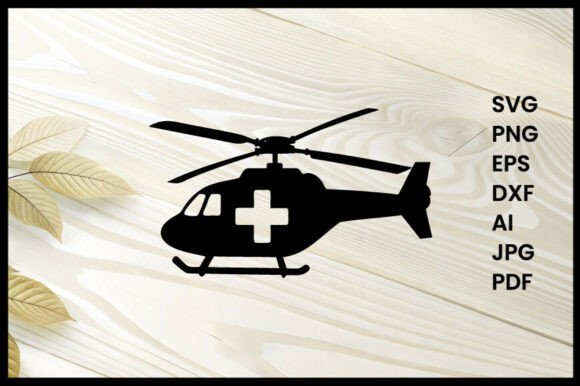
The first impression is clear: it’s a silhouette of a medical evacuation helicopter with a distinct white cross symbol. The mood is instantly professional, urgent, and compassionate. The shape is authoritative; it doesn’t feel cartoonish or overly softened. This graphic carries a visual personality of respect and service. For embroidery, that’s a powerful starting point. It tells a story without needing text, which is excellent for patches, apparel, or decor where you want immediate recognition.
This isn’t a design I’d use for whimsical baby clothes or a festive holiday towel. It naturally belongs to projects that honor medical professionals, support first responder causes, or create merchandise for related organizations. Think custom tote bags for fundraiser events, embroidered caps for volunteer crews, or a simple, dignified patch on a backpack.
Where This Design Performs Best in Real Projects
I tested this concept by preparing a mockup for an embroidered sweatshirt. On a medium-gray fabric, the silhouette’s bold outline and that central cross translate beautifully into satin stitch borders and a clean fill stitch for the helicopter body. The lack of excessive interior detail is actually a benefit here; it means the embroidery won’t become overly dense, which keeps the fabric flexible and the design crisp.
This embroidery file would shine on:
- Custom apparel like t-shirts and sweatshirts for EMS teams.
- Tote bags and aprons for hospital volunteer shops or small business merchandise.
- Embroidered patches, which are hugely popular in this field.
- Pillow covers or blankets as personalized gifts for a retiring paramedic.
- Kitchen towels in a home where a family member serves—a subtle, daily reminder.
- Digital product previews and printable mockups if you’re a seller of embroidery designs yourself.
The clarity of the symbol builds customer trust and enhances the perceived value of a handmade product. It feels professional, which supports brand consistency for a small shop selling first responder-themed items.
Careful Application: Where to Pay Attention
Not every project surface is ideal. The design’s success hinges on thoughtful application. Here’s where I’d be cautious.
On very small hoop sizes, that white cross symbol could lose definition if its details become too minute. On stretchy or thin fabric like a lightweight t-shirt, the stitch density needs to be managed to prevent puckering—a good stabilizer is non-negotiable. Dark fabric requires careful thread color contrast; a bright white or silver for the cross and a contrasting dark gray or black for the helicopter body would be essential.
Embroidering on curved surfaces like caps presents a challenge. The design’s wider horizontal shape might need slight resizing or positioning adjustment to fit the crown properly without distortion. Also, for products destined for frequent washing, like a kitchen towel, using high-quality thread and secure stitching techniques will ensure the graphic lasts.
Visual Appeal and Stitching Clarity in Practice
The beauty of a silhouette in embroidery is its stitching clarity. There are no fussy interior lines to get lost. This design, when stitched, will offer a solid, recognizable form. That makes it giftable and engaging; a buyer or recipient immediately understands its meaning. For an Etsy seller or craft fair vendor offering products for the medical community, that instant recognition drives connection.
However, the lack of provided specifics means you must do your homework. I always advise checking the actual embroidery file for stitch count, recommended hoop size, and compatibility with your machine before committing to a client project.
A Practical Designer’s Notes Before You Stitch
Based on my experience, here’s my checklist for using this Medical Emergency Helicopter Silhouette in a real embroidery project.
- Test on scrap fabric first. Use the same material you plan for the final product. See how the satin stitch outlines behave.
- Check thread color contrast. Run a test in both black and white mockups. How does it look on light versus dark backgrounds?
- Review stitch density in the file itself, if the information is provided. Too dense can stiffen fabrics; too light can look sparse.
- Inspect the small details of the cross and rotor blades. Are they cleanly separated in the digital file? This affects the final embroidered clarity.
- Confirm licensing. The description says "download and print your own" and "use this for any print," but for commercial embroidery projects or selling finished items, you must verify the terms. Don’t assume.
- Use proper stabilizer for your chosen fabric texture. This is key for maintaining the design’s sharp edges.
Ultimately, this graphic is a strong, straightforward asset. It fits a specific niche in the craft and graphics world perfectly. For designers and makers serving the first responder community, it’s a versatile, respectful symbol that, when embroidered with care, results in a professional and meaningful finished product.