A Multilayer Christmas Nurse Design for Embroidered Holiday Spirit
First Impressions: A Design That Bridges Profession and Celebration
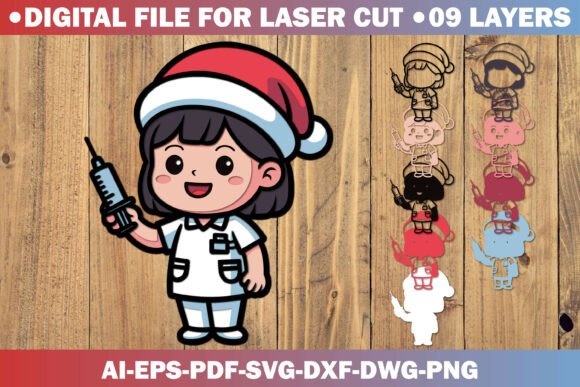
When I first opened the Multilayer Christmas Nurse Laser Cut SVG, I immediately appreciated its clear intent. It’s a design that speaks directly to a specific, heartfelt niche: honoring healthcare professionals during the holiday season. The visual personality is a charming blend of professional recognition and festive cheer. This isn’t a generic snowflake or Santa; it’s a thoughtful, thematic layout that feels perfect for a personalized gift or a small shop product aimed at nurses, medical staff, or their families. The level of detail suggested by the multilayer structure promises nice visual separation, which is exactly what you want for a clean, professional-looking embroidery project.
The Perfect Project Match: Where This Design Naturally Belongs
In my mind, this design almost instantly maps to a few real-world applications. Imagine a custom embroidered tote bag for a nurse friend, filled with holiday treats. Or a cozy sweatshirt, embroidered as a gift from a clinic to its staff. It would make a wonderful, sentimental patch, perhaps appliquéd onto a blanket or apron. For small business owners and Etsy sellers targeting the healthcare community, this design could be the centerpiece of holiday merchandise—think embroidered pillow covers for a cozy, nursing-themed nursery decor or a beautifully stitched kitchen towel as a practical yet festive gift. The theme carries an inherent emotional weight that boosts the giftability and perceived value of any finished product.
Visual Appeal and Customer Connection in Finished Work
Once stitched, I envision this design creating a strong connection. On a dark fabric like a navy sweatshirt, using bright, festive thread colors for the Christmas elements against a crisp white for the nurse’s cap would create striking contrast and stitching clarity. The multilayer approach should allow elements like a holly leaf or a tiny ornament to pop with satin stitch or a clean fill stitch, separate from the main emblem. This kind of thoughtful execution enhances customer trust—it shows you’ve chosen a design with care, not just a generic graphic. For an apparel decorator or creative entrepreneur, it supports brand consistency if your shop focuses on heartfelt, profession-specific designs.
Navigating the Stitching Process: Practical Performance Notes
For real-life embroidery situations, success hinges on preparation. While this SVG file is prepared for cutting machines, the underlying design concept is what we’re evaluating for embroidery. Translating this into an embroidery file means paying close attention to the detail level. Those small decorative accents, if they exist in the design, will require careful hoop placement and adequate stabilizer, especially on stretchy fabrics like t-shirts or curved surfaces like caps. The density of any fill stitch areas needs to be balanced to prevent puckering on thin fabric, like on baby clothes or certain tea towels.
For commercial embroidery projects or a series of handmade products for a craft fair, I’d strongly recommend a test run on scrap fabric first. Check how the elements look in both light and dark fabric backgrounds. Does the design maintain its recognition and professionalism when stitched in a smaller hoop size, perhaps for a baby embroidery item? Inspect any potential tiny lettering or detailed corners; they might need simplification for clean stitching at smaller scales.
Where to Exercise a Bit More Care
This design, with its thematic and likely layered nature, should be used carefully on highly textured fabrics where fine detail might get lost. Also, on garments that will undergo frequent washing, such as nurse’s caps or everyday aprons, ensuring robust stitch quality is key. For dense stitch areas, choosing the right stabilizer is non-negotiable to preserve the handmade presentation over time. When creating printable mockups for digital product sellers, testing the design concept in black and white can help assess its fundamental shape and layout clarity before committing thread.
Embroidery Designer Notes: The Pre-Stitch Checklist
Before loading any threads, my practical process would involve a few key steps. First, thoroughly review the provided ZIP folder contents to understand the design layers and any included formats. Confirm the licensing terms explicitly—can this be used for personal and commercial projects, or are there restrictions? This is crucial before selling finished items or using it as a commercial design asset.
- Test the design concept on a similar fabric to your final product. Check thread color contrast against your background material.
- Review the implied stitch density from the graphic layout. Are there large solid areas that would become heavy fill stitch?
- Confirm your intended hoop size can accommodate the entire design with room for clean edges.
- Inspect small details in the graphic. Will they translate well into stitches, or might they need minor adaptation?
- Use proper stabilizer for your chosen fabric type to ensure the design holds its shape.
- Finally, step back and imagine it on the final product. Does the Multilayer Christmas Nurse Laser Cut SVG concept feel right for that custom apparel, embroidered patch, or holiday gift? Does it tell the story you want for your craft business or boutique product?
The Final Judgment: A Design with Heart and Commercial Sense
From the point of view of an experienced designer, the Multilayer Christmas Nurse Laser Cut SVG presents a strong, niche opportunity. It’s not a mass-market graphic; it’s a specialized design asset with clear appeal. Its value lies in its specific mood—celebrating a dedicated professional during a festive time. For embroidery designers and makers, it offers a path to create products with high emotional resonance, which directly boosts buyer engagement. Whether you’re stitching a single personalized gift or producing a line of small shop merchandise, this design concept, when executed well with attention to fabric texture, stitch clarity, and professional finishing, can result in a finished product that feels both thoughtful and expertly made. It’s a reminder that in the crafts and graphics world, the best designs often are those that speak to a real person’s story.