A Designer's Practical Look at Kidneys Anatomy Line Art for Embroidery
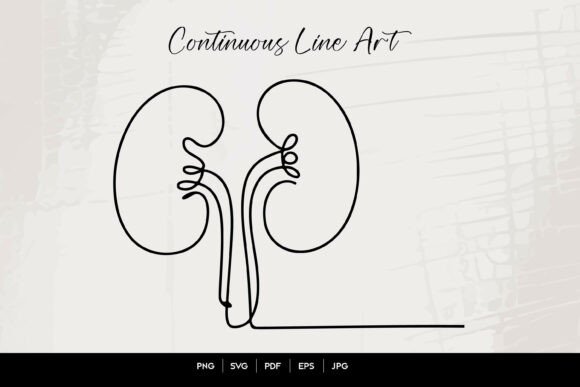
Opening a new embroidery design file always feels like a first meeting. You assess its character, its potential, and its quirks. The Kidneys Anatomy Line Art design presents a distinct personality from the outset. It’s not a floral motif or a cute animal; it's a clean, continuous line drawing of a vital organ. This immediately sets a mood of intelligent simplicity and modern medical appreciation. The theme is niche but powerful, and the layout, being a singular, focused illustration, feels like it belongs on projects for a knowledgeable, curious, or professionally connected audience.
The Immediate Project Vision: Where This Design Naturally Belongs
As an embroidery designer, my mind starts matching the design to real products. This line art kidney doesn’t scream for a baby blanket. Instead, it feels perfect for a custom tote bag for a nursing student, a subtle left-chest embroidery on a sweatshirt for a nephrologist, or a meticulously stitched patch on a lab coat or medical professional's backpack. The continuous line style gives it an artistic, rather than purely clinical, feel, making it suitable for boutique merchandise aimed at the medical community—think Etsy shops selling gifts for doctors, nurses, or medical students. I can also see it stitched on a high-quality apron for a passionate anatomy teacher or as a unique, thoughtful gift pillow cover for someone recovering from a kidney-related health journey. Its visual personality is quiet, confident, and specific.
Performance on Real Fabric: From Digital File to Stitched Product
The real test is imagining how this line art translates from screen to stitches. On custom apparel like t-shirts or sweatshirts, the continuous line will likely be rendered with a running stitch or a light satin stitch outline. The key will be stitch density—too dense on a lightweight tee could cause puckering, but on a stable cotton tote bag or a denim apron, it should hold crisp detail beautifully. For a embroidered patch, the defined shape of the kidneys offers a great outline for applique or a clean fill stitch inside the lines.
Thinking about client projects, such as a personalized holiday gift for a medical professional, the design’s clarity is crucial. Stitched on a dark fabric with a bright white or light grey thread, the line art would pop with scientific elegance. On a light background, a deep navy or black thread would create a sophisticated, line-drawing effect. The lack of tiny, intricate internal lettering (it’s anatomy line art, not a labeled diagram) is a bonus for embroidery—it means fewer worries about ultra-small details getting lost in the stitching process, especially on textured fabrics like some sweater knits.
Careful Application: Where to Proceed with Caution
This design invites thoughtful placement. On very small hoop sizes, say for a tiny cap logo, the overall kidney shape might need to be scaled down so much that some of the graceful curvature of the line art could become lost or look cramped. Stretchy fabrics, like certain performance t-shirts, would require excellent stabilizer to keep the clean lines from distorting. Similarly, on curved surfaces like the crown of a cap, the design's wider, rounded shape should work well, but I’d always advise testing on a scrap first.
The continuous line means there aren’t dense fill stitch areas, which is good for fabric drape, but on thin fabrics like a delicate linen tea towel, using a lighter thread weight might prevent the design from feeling too heavy. For products destined for frequent washing, like a kitchen towel or a wearable garment, ensuring the stitch type and thread are robust is key—this isn’t a design you’d want to fray.
Impact on Your Craft Business and Customer Appeal
Using Kidneys Anatomy Line Art in your handmade products or commercial embroidery projects affects perception. For a digital product seller, this file is a specialized design asset. For a creative entrepreneur making physical goods, it elevates your offering into a niche market. It speaks to customer trust—it shows you understand a specific audience. A well-embroidered renal system illustration on a tote bag feels professional and giftable, more like a piece of wall art translated to fabric. It can enhance brand consistency for a small shop focused on science, education, or medical-themed gifts.
The recognition factor is high within its target demographic, increasing buyer engagement from those seeking something beyond generic motifs. In a craft fair booth, such a product would stand out and attract conversations. As part of a digital product listing, its clean look makes for strong printable mockups, showing potential buyers exactly how it could enhance their own projects.
Practical Notes from the Embroidery Hoop
Before committing this Kidneys Anatomy Line Art to a final project, here’s my standard designer checklist. Always test the embroidery file on a scrap of your intended fabric first. This reveals how the lines translate, if any jumps in the continuous line cause issues, and how the fabric reacts. Check thread color contrast thoroughly—view it in both black and white digital mockups to imagine it on light and dark backgrounds.
Review the stitch density in your machine embroidery software once the file is loaded. Confirm the hoop size needed for your desired product scale. Inspect the small details, like the points where the lines meet, to ensure they’ll stitch cleanly. Use proper stabilizer for your fabric type; this is non-negotiable for maintaining that clean line art look.
Crucially, check the provided file formats—SVG, PNG, EPS, PDF, JPG—for compatibility with your embroidery software and for any other use, like creating product graphics. Most importantly, confirm the licensing terms before selling finished items or digital products derived from the design. Understand whether it’s for personal use, commercial use, or both. This step protects your craft business and respects the original graphics creator.
Ultimately, Kidneys Anatomy Line Art is a thoughtfully crafted graphic. Its value in embroidery lies in its specific appeal and clean execution. It won’t be for every project, but for the right project—a gift for a medical student, a product for a hospital boutique, a personal statement piece—it stitches a story of appreciation, knowledge, and clean design. Approach it with a practical eye for your fabric and audience, and it can become a standout piece in your embroidery portfolio.